







Starting a small herb garden indoors is a wonderful way to enjoy fresh flavors year-round, even if you don’t have a backyard. Indoor herb gardens are perfect for kitchens, windowsills, or any spot that gets enough light. They are not only practical but can also brighten your home and boost your cooking creativity. This guide will walk you through the basics of setting up and maintaining a small indoor herb garden.
Why Grow Herbs Indoors?
Growing herbs inside your home has several benefits:
– Accessibility: Fresh herbs are always within reach while cooking.
– Space-saving: Ideal for apartments or places without outdoor garden space.
– Pest control: Indoor herbs are less prone to pests compared to outdoor plants.
– Air quality: Some herbs can help purify the air in your home.
– Cost-effective: Save money by growing your own instead of buying fresh herbs frequently.
Choosing the Right Herbs for Indoor Growth
Not all herbs thrive indoors, but many common varieties do well with a bit of care. Consider starting with these easy-to-grow herbs:
– Basil: Prefers warm temperatures and lots of sunlight.
– Mint: Grows quickly and can tolerate less light but needs room to spread.
– Parsley: Likes moderate light and regular watering.
– Chives: Need bright, indirect light and well-drained soil.
– Cilantro: Thrives in cooler temperatures with bright light.
– Thyme: Requires bright light and well-draining soil.
– Oregano: Prefers full sun and well-drained soil.
Choose herbs you use most often in your cooking, so you get the most benefit.
Selecting Containers and Soil
Containers
You can use various containers, including:
– Small pots with drainage holes
– Recycled containers (make sure to add drainage)
– Window boxes designed for indoor use
Drainage is crucial to prevent root rot. If your container doesn’t have holes, add a layer of small stones at the bottom and water carefully.
Soil
Use a high-quality, well-draining potting mix designed for indoor plants. Avoid garden soil, as it can be too dense and may carry pests.
Finding the Perfect Spot
Herbs need plenty of sunlight, ideally 6 to 8 hours of direct light daily. Here are some tips for placement:
– South or southwest-facing windows are usually the brightest.
– If natural light is limited, consider using a grow light for 10-12 hours a day.
– Avoid placing herbs near heating vents or drafty windows.
Planting Your Herb Garden
You can start your herb garden either from seeds or small starter plants (seedlings). Seedlings are faster for beginners, though seeds give you more variety options.
Steps to Plant:
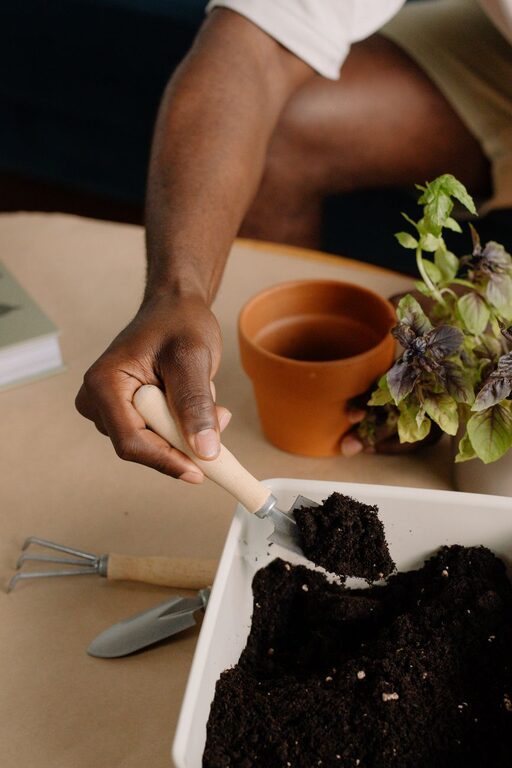
- **Fill your containers:** Loosely fill pots with potting mix, leaving about an inch from the top.
- **Plant seeds or seedlings:** Follow the seed packet instructions for depth. For seedlings, dig a small hole, place the plant, and cover roots gently with soil.
- **Water:** Lightly water to moisten the soil but avoid soaking.
- **Label your plants:** This helps keep track of different herbs.
Caring for Your Indoor Herb Garden
Watering
– Most herbs prefer soil that’s moist but not soggy.
– Let the top inch of soil dry out between watering.
– Use room-temperature water.
– Avoid overwatering to prevent root rot.
Light
– Ensure herbs get enough light daily.
– Rotate pots occasionally to help plants grow evenly.
Fertilizing
– Use a balanced, water-soluble fertilizer every 4-6 weeks.
– Avoid over-fertilizing as it can reduce the flavor of herbs.
Pruning and Harvesting
– Regularly pinch off leaves to encourage bushy growth.
– Harvest herbs by cutting the stems just above a leaf node.
– Avoid taking more than one-third of the plant at a time to keep it healthy.
Common Problems and Solutions
– Yellow leaves: Usually caused by overwatering or poor drainage.
– Leggy plants: Not enough light; move closer to a window or add grow light.
– Pests: Look out for aphids or spider mites; clean leaves with mild soapy water if needed.
Tips for Success
– Start with a few herbs and expand as you gain confidence.
– Use fresh, filtered water if your tap water is heavily chlorinated.
– Keep humidity moderate by misting plants occasionally or placing a water tray nearby.
– Be patient; some herbs like basil grow quickly, but others like thyme take longer to establish.
Conclusion
Starting a small indoor herb garden is easy and enjoyable, offering fresh flavors and greenery right in your home. With the right herbs, containers, and care routine, you can cultivate a thriving garden regardless of your space or outdoor conditions. Happy gardening!