



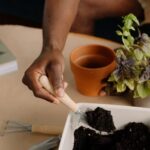






Bringing houseplants into your home adds life, color, and a natural touch to your living space. However, keeping them healthy requires some attention and care. Whether you’re a beginner or a seasoned plant enthusiast, these practical tips will help ensure your houseplants stay vibrant and thrive indoors.
Understand Your Plant’s Needs
Every plant species is unique, and understanding its specific requirements is the first step to healthy growth.
Light Requirements
Plants need light for photosynthesis, but not all plants thrive in the same light conditions. Some prefer bright, indirect light, while others tolerate low light or need direct sunlight.
– Bright light lovers: Succulents, fiddle leaf figs, and snake plants do well near a sunny window.
– Low light plants: Pothos, ZZ plants, and peace lilies thrive in shaded corners.
Check the label or research your plant’s natural habitat to provide the right kind of light.
Watering Needs
Overwatering is a common cause of houseplant issues. Too much water can lead to root rot, while too little causes wilting.
– Check soil moisture: Insert your finger about an inch into the soil; water only if it feels dry.
– Drainage: Use pots with drainage holes to prevent water accumulation.
– Water type: Room temperature water is usually best, avoiding cold water which can shock roots.
Choose the Right Soil and Pot
Using quality soil and appropriate pots supports your plant’s growth.
– Potting mix: Opt for a mix suited to your plant type. Cacti and succulents need well-draining soil, while tropical plants prefer moisture-retentive mixes.
– Pot size: Choose a pot slightly larger than the root ball. Too big a pot can hold excess water, leading to root problems.
– Drainage: Make sure pots have drainage holes to prevent standing water.
Maintain Proper Humidity and Temperature
Indoor environments vary widely, but most houseplants prefer moderate humidity and stable temperatures.
– Humidity: Many tropical plants benefit from higher humidity. Use a humidifier, pebble trays, or mist leaves occasionally.
– Temperature: Avoid placing plants near drafts, heaters, or air conditioners. Most houseplants thrive between 65-75°F (18-24°C).
Regular Feeding and Fertilizing
Plants need nutrients to grow, especially during their active growing season.
– Fertilizer type: Use balanced, water-soluble fertilizers or specific blends for flowering or foliage plants.
– Frequency: Fertilize every 4-6 weeks during spring and summer. Reduce or stop during fall and winter when growth slows.
– Avoid overfeeding: Excess fertilizer can cause salt buildup and damage roots.
Pruning, Cleaning, and Repotting
Taking care of your plant’s structure and cleanliness promotes health and appearance.
– Pruning: Remove dead or yellowing leaves regularly to encourage new growth and prevent pest problems.
– Cleaning leaves: Dust can block sunlight. Wipe leaves gently with a damp cloth.
– Repotting: Repot when your plant outgrows its container, usually every 1-2 years. This refreshes soil and provides room for roots.
Watch for Pests and Diseases
Early detection is key to managing houseplant problems.
– Common pests: Look out for spider mites, aphids, mealybugs, and scale insects.
– Symptoms: Yellow spots, sticky residue, webbing, or distorted leaves can signal infestation.
– Treatment: Remove pests manually, use insecticidal soap, or neem oil as natural remedies.
Tips for Specific Plant Types
Succulents and Cacti
– Provide lots of light and minimal water.
– Use sandy, fast-draining soil.
– Avoid humidity; keep air circulation good.
Tropical Plants
– Prefer indirect, bright light.
– Maintain higher humidity.
– Keep soil consistently moist but not soggy.
Flowering Plants
– Require more nutrients, especially phosphorus.
– Bright light helps with blooming.
– Deadhead spent flowers to encourage more blooms.
Create a Routine and Observe
The more you observe your plants, the better you can respond to their needs. Establish a simple routine for watering, feeding, and inspecting plants weekly or biweekly.
Final Thoughts
Healthy houseplants result from understanding their unique needs and providing consistent, attentive care. With the right lighting, watering, feeding, and a bit of love, your indoor garden can flourish beautifully throughout the year. Enjoy the process and the fresh vibe your plants bring to your home!